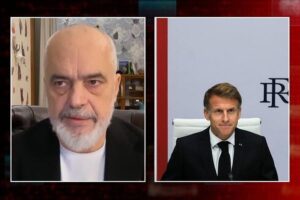
In political terms, the two leaders show a similar approach:
protests should not determine the fate of institutions through street pressure
or the election calendar...
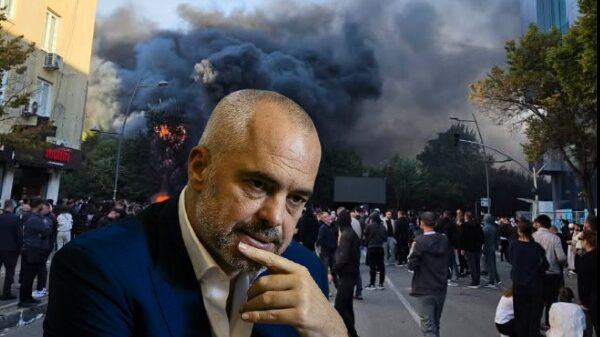
From Paris to Tirana, Emmanuel Macron and Edi Rama
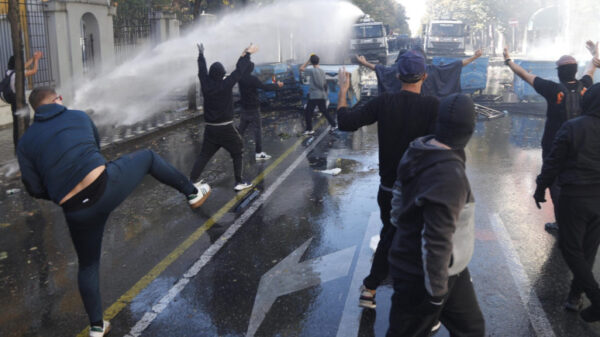
they seem to have chosen almost the same strategy in the face of the protests that have engulfed their countries.
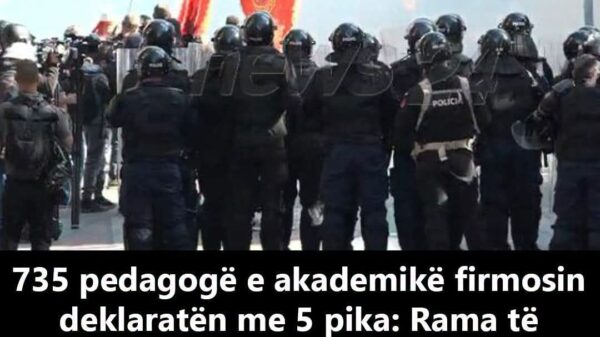
Both strongly condemn the violence, admit that there are legitimate concerns behind the grievances, try to distinguish between peaceful protesters and those who cause riots, while not giving signals about leaving power or changing the election calendar.
Macron, in his speech about the protests and riots in France, seemed to have heard the statements of the Albanian Prime Minister Edi Rama during the last two days.
Although they face different situations and demands, the similarity between the attitudes of the two leaders is obvious. Both Macron and Rama put the condemnation of violence at the center of their message, while acknowledging the protesters' concerns with calls for dialogue and respect for institutions.
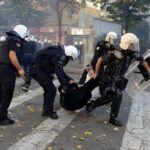
In his speech, Macron used harsh tones to describe the unrest that has gripped French cities.
“Public buildings, shops and town halls were attacked and in some cases destroyed. Hundreds of police officers were injured.”, declared the French president.
He emphasized that nothing can justify the violence and the damage caused.
“Tonight we all feel anger and shame. To see our cities and streets pillaged in this way is unbearable.”, said Macron.
But, just as in Rama's attitudes towards the protests in Albania, the French president also tried to make a clear distinction between those who protest for their demands and those who engage in acts of violence.
“We must never confuse demonstrators with those who destroy, riot and loot”, declared Macron.
Another common point is the acceptance of the legitimacy of some of the demands, without necessarily accepting political responsibility for the situation. Macron acknowledged that French citizens have legitimate concerns about the rising cost of living and fuel prices, but attributed some of the causes to international developments.
“There are legitimate claims about the cost of living and the price of fuel. Many of the reasons are related to the Gulf War, and France was not part of it. But we face the consequences.”, he said.
At the same time, the French president warned of strong measures against those who caused damage during the protests. He demanded determination from the prosecutors and stressed that those responsible will face justice.
“Those who have destroyed and must pay for the damages, will answer for what they have done”, declared Macron.
Even in the political aspect, the two leaders show a similar approach: protests should not determine the fate of institutions or the election calendar through street pressure.
Macron referred to the presidential elections in France, stressing that the political confrontation should take place through democratic debate and not violence.
“This debate should take place in the news, in newspapers and on television stations, in peaceful meetings where people talk to each other with respect and never in disorders and riots.”, said the French president.
At this point, Macron's position resembles that of Rama, who, according to the comparison of statements, has insisted on respecting the election deadlines and continuing the governing mandate, despite the pressure of the protests.
In the end, the political message of both seems similar: the demands of the protesters can be heard, violence will be punished, but decisions about power will not be made on the streets.