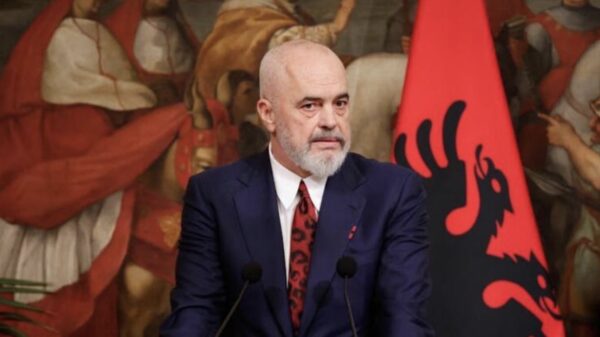
This Thursday morning (October 15, 2026), Prime Minister Edi Rama appeared in a video of
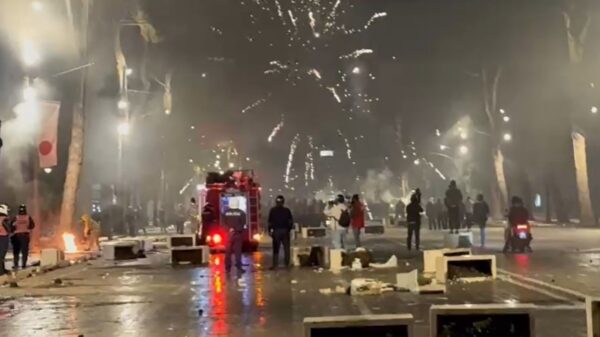
prepared, for the first time after the start of strong student protests,
which included Tirana during the last hours.
He ignored the youth's rightful demands for welfare, attempting a political diversion:
“Today, this is the ruin of the hands that are not and can never be the hands of the students.... Albania will continue on its way to the Europe of all its students, of all its girls and boys, and will never let go of those hands that have grabbed it by the throat and have plunged the Albanian opposition deeper and deeper,” he declared, among other things, in the prefabricated post.
From what is read, Rama, initially, is trying to establish a tie between the students and the political opposition, marking what constitutes the first step in the strategy of autocratic regimes to face popular revolts.
“Boldnews.al” has consulted international political literature, from which it results that the plans of political leaders who refuse to listen to the citizen's protest, are built in at least 7 steps. The final goal, of course, is the “disappearance of the protest”.
1. Delegation of protest
The leader claims that the protests are instigated by foreign powers, the opposition or secret interests. The goal is to shift the debate from economic problems to national security and patriotism. This is a pattern studied in authoritarian regimes.
2. Minimizing dissatisfaction
The government presents the protests as the actions of a minority, while the problems are temporary or caused by international crises. It often highlights its own achievements to maintain public support.
3. Limited Releases
It promises price cuts, economic aid, investigations, resignations of second-tier officials or reforms. Promises can aim to reduce tensions without changing the power structure. Studies show that concessions and repression can be used in parallel.
4. Attempting to disrupt the movement
The government can negotiate with some representatives, include certain figures in the dialogue or treat groups of protesters differently. This can create discord between those seeking reform and those seeking deeper political change.
5. Information control and counternarrative
Use friendly media, centralized communication and messaging for order and stability. The aim is to influence the way the public interprets the crisis.
6. Pressure and selective repression
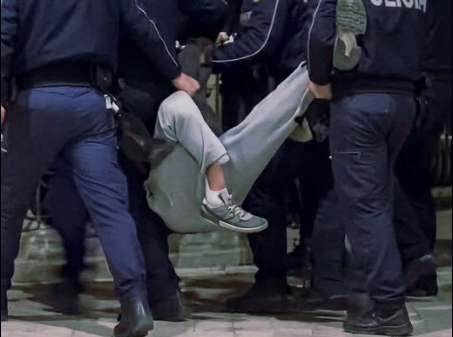
In some cases, arrests, investigations, restrictions on gatherings or police force are used. The degree and consequences vary; repression may temporarily weaken mobilization, but it may also produce further anger and widen protests.
7. Maintaining the loyalty of the elites and the security apparatus
A decisive factor is whether the ruling parties, officials, oligarchs and security structures continue to support the leader. Studies on mass protests show the importance of the behavior of security elites for the survival of the regime.
The most important difference is whether the leader intends to extinguish the protest without changing the system, or to solve the causes that brought the citizens to the streets. Both may appear similar in public statements, but they differ from the actual implementation of reforms and the behavior of institutions.
From Boldnews.al